
When most people think about probiotics, yogurt is the first thing that comes to mind. And sure, yogurt is great, but what if I told you there are foods that have more probiotics than yogurt and taste completely different?
What Makes These Foods Better?
These foods often contain more diverse strains of beneficial bacteria or higher quantities of probiotics than your average yogurt cup. Some are fermented longer, while others naturally harbor stronger bacterial cultures.
The variety matters because different probiotic strains do different things for your gut. The more diverse your probiotic intake, the healthier your digestive system becomes.
Kefir:

This fermented milk drink contains up to 61 different strains of bacteria and yeasts, compared to yogurt’s typical 2-7 strains. That’s not just more probiotics. That’s a whole ecosystem for your gut.
Kefir has a tangy, slightly fizzy taste that some people love and others need time to adjust to. You can drink it straight, blend it into smoothies, or use it in place of buttermilk in recipes. Start with small amounts if you’re new to it, because all those probiotics can cause some digestive adjustment at first.
Sauerkraut:
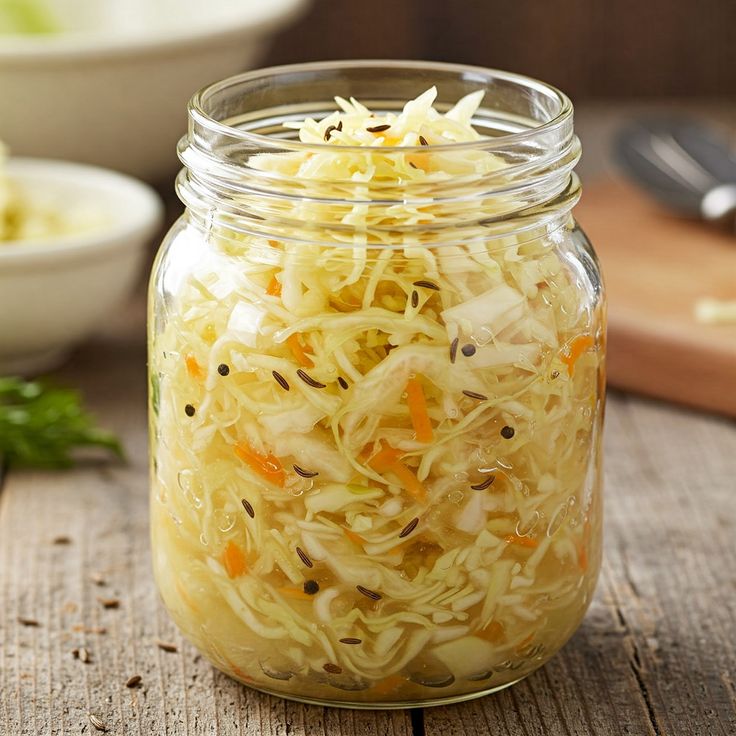
Raw, unpasteurized sauerkraut is absolutely loaded with probiotics. We’re talking billions of beneficial bacteria in just a few forkfuls. The key word here is unpasteurized, because the heat from pasteurization kills all those good bugs.
You’ll find the good stuff in the refrigerated section of your grocery store, not on regular shelves. Look for brands that say “raw” or “unpasteurized” on the label. Add it to salads, sandwiches, or eat it straight from the jar. Just a tablespoon or two daily can make a real difference in your gut health.
Kimchi:
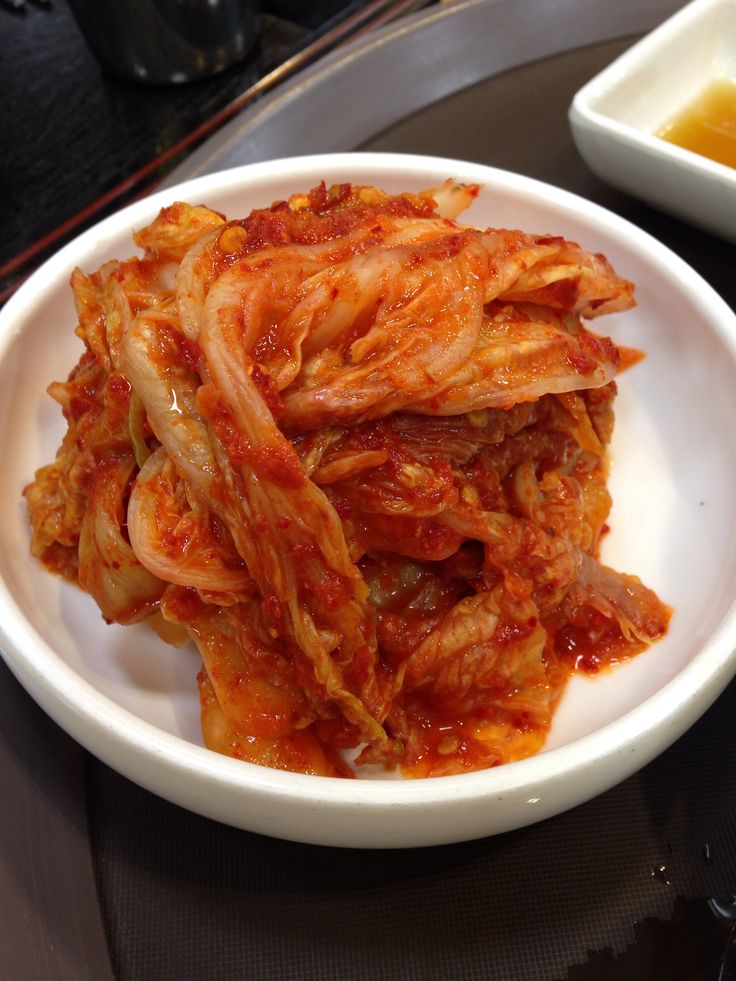
This Korean staple is one of the foods that have more probiotics than yogurt, and it brings serious flavor to the table. Made from fermented vegetables, usually cabbage and radishes, kimchi is rich in lactobacillus bacteria that support digestion and immune function.
The spice level varies by brand, so start mild if you’re sensitive to heat. Kimchi works great as a side dish, mixed into fried rice, added to tacos, or even scrambled with eggs. Once you acquire the taste, you’ll wonder how you ever lived without it.
Miso:
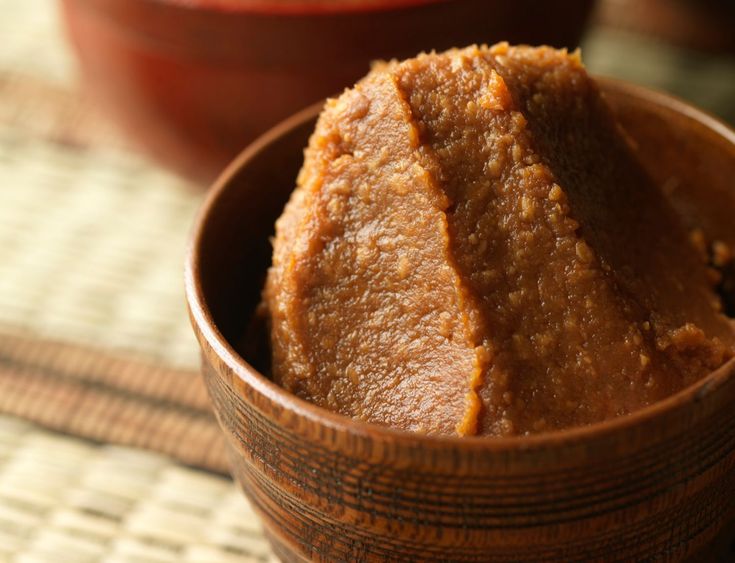
That savory paste used in Japanese cooking is another strong probiotic. Made from fermented soybeans, miso contains beneficial bacteria that survive even when you add hot water to make soup.
Beyond soup, you can use miso in salad dressings, marinades, or spread on toast with avocado. A little goes a long way because the flavor is intense. Choose unpasteurized miso from the refrigerated section for maximum probiotic benefits.
Tempeh:

If you’re looking for foods that have more probiotics than yogurt while also packing serious protein, tempeh is your answer. This fermented soybean cake contains about 15 grams of protein per serving along with plenty of beneficial bacteria.
Tempeh has a nutty, slightly earthy flavor that works well marinated and grilled, crumbled into stir-fries, or sliced for sandwiches. It’s firmer and less processed than tofu, with a heartier texture that even meat-eaters appreciate.
