
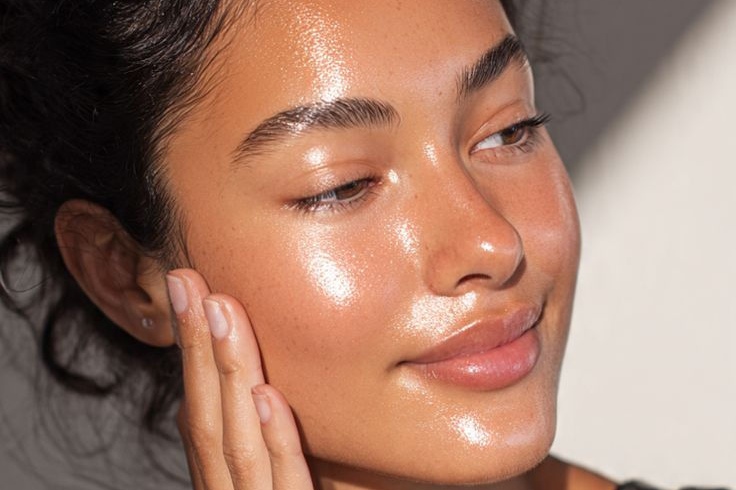
Think of collagen as the “glue” that holds your body together. It is a protein that provides structure to your skin, bones, and even your blood vessels. When we are young, our bodies produce it in abundance, giving us that plump, bouncy skin. However, once we hit our mid-20s, that production starts to dip by about 1 percent every year.
So, will taking collagen stop wrinkles by simply replacing what we’ve lost? Not exactly. When you swallow a collagen supplement, your body breaks it down into amino acids. It doesn’t necessarily send those amino acids straight to your forehead to fix a specific line. Instead, it uses those building blocks wherever they are needed most, whether that is your skin, your joints, or your muscles.
What Recent Research Tells Us
The good news is that recent high-quality studies have shown some promising results. If you are wondering, “will taking collagen stop wrinkles entirely?” the answer is no—nothing can stop the natural aging process. However, many people find that it can significantly slow things down.
Improved Hydration: Many clinical trials in 2025 and 2026 suggest that hydrolyzed collagen peptides can help the skin retain more moisture, making it look smoother.
Increased Elasticity: By giving your body the raw materials it needs, you might notice your skin feels a bit firmer and “bounces back” more easily.
Reduction in Depth: While it won’t erase a deep-set line, it can help minimize the appearance of fine lines by supporting the dermal layer of the skin.
Factors That Affect Your Results
If you decide to try it, keep in mind that not all supplements are created equal.
Hydrolyzed is Key: Look for “hydrolyzed” peptides, which are broken down into smaller pieces that your body can absorb more easily.
Consistency Matters: Most studies show that you need to take it daily for at least 8 to 12 weeks before you see a visible difference.
The “Collagen Killers”: No amount of supplement can fix the damage caused by heavy sun exposure or smoking. Sunscreen remains your number one defense!
