
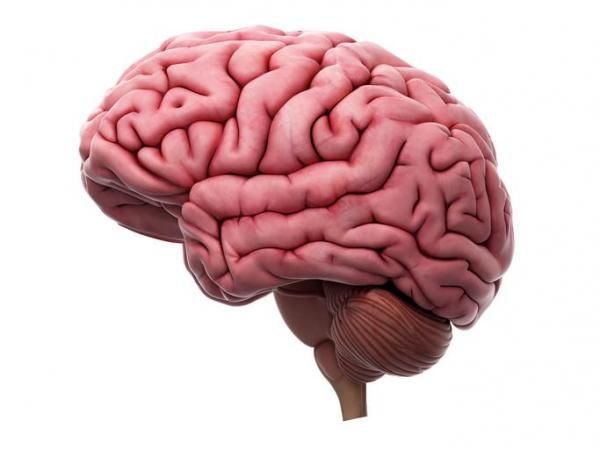
Nobody thinks about their brain until something feels off. A word you cannot find mid-sentence, a name that should come easily but does not, a fog that settles over your thinking on days when you need to be sharp. The brain is the most extraordinary organ in the human body and also the most quietly neglected one. We go to the gym for our bodies, moisturize for our skin, and watch what we eat for our hearts — but how to keep your brain healthy rarely makes it onto the daily wellness checklist until something prompts the conversation. Consider this that prompt.
Why Brain Health Deserves More Attention Than It Gets
Your brain manages everything — your mood, your memory, your decision-making, your relationships, and your ability to function in every area of life. Yet most people only start thinking seriously about brain health after they notice a decline, which is often decades after the habits that caused it were formed.
The encouraging truth is that the brain is remarkably adaptable. Science calls this neuroplasticity — the brain’s ability to form new connections, reorganize itself, and even recover from damage when given the right conditions. That means it is never too early and rarely too late to start making choices that support it.
How to Keep Your Brain Healthy Every Single Day
Move Your Body Consistently
Exercise is one of the most powerful things you can do for brain health, full stop. Physical movement increases blood flow to the brain, stimulates the production of a protein called BDNF that supports the growth of new brain cells, and has been shown to reduce the risk of cognitive decline significantly over time.
You do not need a hardcore workout routine. A brisk thirty-minute walk most days of the week is enough to make a meaningful difference to how your brain functions and ages.
Feed Your Brain
What goes into your body directly affects how your brain performs. The foods most consistently linked to strong brain health include:
Fatty fish like salmon and sardines, rich in omega-3 fatty acids essential for brain cell structure.
Blueberries and dark berries packed with antioxidants that protect against oxidative stress.
Leafy greens like spinach and kale loaded with vitamins that slow cognitive aging.
Nuts and seeds, particularly walnuts, which contain nutrients that support memory and focus.
Dark chocolate in moderation, which contains flavonoids that improve blood flow to the brain.
Prioritize Sleep
Because it genuinely does. Sleep is when your brain performs its most critical maintenance work — clearing out toxic waste products, consolidating memories, and repairing cellular damage. Chronic sleep deprivation is one of the fastest ways to compromise brain health, and the effects accumulate silently over time.
Seven to nine hours of quality sleep each night is not a luxury. It is one of the most important answers to how to keep your brain healthy long term.
Challenge Your Mind Regularly
The brain thrives on novelty and challenge. Learning a new skill, picking up an instrument, studying a language, doing puzzles, or even taking a different route home — these activities create new neural pathways and keep the brain actively building rather than passively coasting.
Mental stimulation is to the brain what exercise is to a muscle. Use it consistently and it stays strong.
Protect Your Mental and Emotional Health
Chronic stress is genuinely toxic to the brain. Prolonged elevated cortisol levels damage the hippocampus, which is the region most associated with memory and learning. Managing stress through mindfulness, therapy, journaling, nature time, or deep breathing is not just good for your mood — it is a direct investment in your brain’s physical health.
