
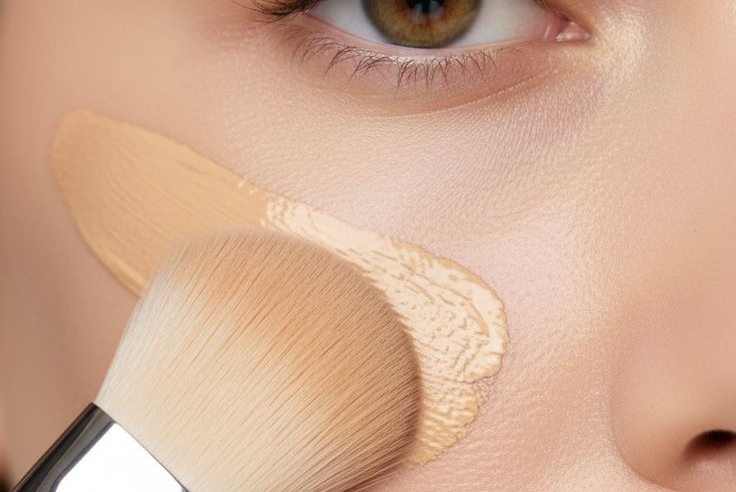
There is a very specific kind of frustration that comes with spending twenty minutes on your foundation only to catch your reflection two hours later looking like you are wearing a clay mask. The color is off, it has settled into every line, and somehow your skin looks less alive than it did before you started.
Getting foundation to actually melt into your skin, to look like it is just your face, but better is one of those beauty goals that feels elusive until you understand what is going on. Learning how to make your foundation look like a second skin is less about the product and more about the process, and once it clicks, you will never go back to that cakey finish again.
Skincare Is Your Real Base
If your skin is dry, congested, or uneven in texture, no foundation on earth is going to sit well on it. A second skin finish starts with skin that is properly prepped. That means:
– Cleansing gently to remove any overnight buildup
– Using a hydrating toner or essence to plump the skin
– Applying a lightweight moisturizer suited to your skin type
– Giving your skincare at least five to ten minutes to fully absorb before moving on
Rushing this step is the number one reason foundations look patchy or cakey by midday.
Primer Is Not Optional
A good primer smooths texture, controls oil, and gives foundation something to grip onto. Match your primer to your skin concern — silicone-based for large pores and texture, hydrating primers for dry skin, and mattifying formulas for oilier skin types.
Choosing the Right Foundation Formula
To make your foundation look like a second skin, the formula has to work with your skin type, not against it.
– Dry skin does better with satin, dewy, or skin-tint formulas
– Oily skin benefits from lightweight, breathable, or soft-matte finishes
– Combination skin usually does well with flexible, buildable coverage options
– If you want that barely-there effect, try mixing your foundation with a drop of facial oil or moisturizer before applying
Use the Right Tools
Your fingers, a damp beauty sponge, and a foundation brush all give different finishes. For a second skin effect, a damp beauty sponge is your best friend. The bouncing and pressing motion pushes foundation into the skin rather than dragging it across, which is what creates that seamless, skin-like result.
Apply in Thin Layers
One thick layer of foundation is the fastest route to a cakey finish. Instead, apply a thin, sheer layer first and build coverage only where you need it. Spot concealing problem areas after your first layer gives you coverage without the weight.
Blend Down Your Neck
One of the most overlooked steps in learning how to make your foundation look like a second skin is blending past your jawline. If your foundation stops at your chin, the contrast gives it away immediately. Blend lightly down your neck and you will never have that obvious makeup line again.
Setting It Without Killing the Finish
Setting your foundation is important, but the wrong technique will undo everything.
– Use a finely milled translucent powder and apply it only where you get oily — typically the T-zone
– Try baking only under the eyes if needed, and keep the rest of your face powder-light
– A setting spray at the end is the step that truly fuses everything together and gives that melted-into-skin effect — press it in gently with a damp sponge for maximum impact
