
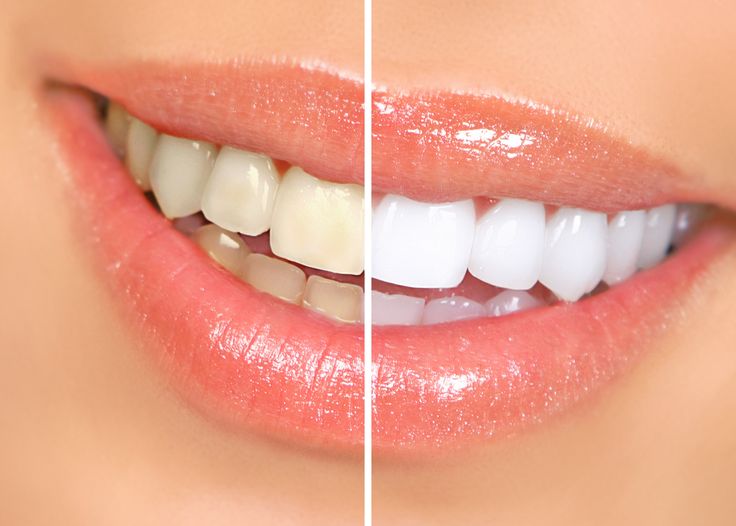
Walk down any pharmacy aisle and you will find an entire wall dedicated to teeth whitening. Strips, gels, trays, pens, and devices that look more like science experiments than dental care. Most of them work to varying degrees, but they also come with a price tag, a list of ingredients you cannot pronounce, and sometimes a side effect called tooth sensitivity that makes drinking cold water feel like a punishment.
The natural methods to whiten your teeth that people have been quietly using for generations are having a well-deserved moment right now, and some of them are backed by real science rather than just good marketing.
Natural Methods to Whiten Your Teeth at Home
Here is a practical rundown of approaches that are both accessible and genuinely useful:
Oil pulling with coconut oil. This ancient Ayurvedic practice involves swishing a tablespoon of coconut oil around your mouth for ten to fifteen minutes before brushing. It helps remove bacteria and surface stains while supporting overall gum health. It will not bleach your teeth, but consistent use can reduce the buildup that causes dullness.
Baking soda and water paste. Baking soda is a mild abrasive that gently scrubs surface stains without damaging enamel when used occasionally. Mix a small amount with water to form a paste and brush lightly two to three times a week. Many commercial toothpastes already include it as an ingredient for exactly this reason.
Activated charcoal. This one has become popular on social media, and while it can absorb surface stains effectively, it should be used sparingly. Activated charcoal is abrasive and overuse can wear down enamel over time. Once or twice a week at most.
Eating crunchy fruits and vegetables. Apples, carrots, and celery act as natural scrubbers as you chew. They stimulate saliva production which helps neutralize acids and clean the surface of teeth naturally throughout the day.
Rinsing with diluted apple cider vinegar. Used very occasionally and in highly diluted form, apple cider vinegar can help reduce staining. However, its acidity means it should never become a daily habit as it can erode enamel with regular use.
