
You look up from your phone and realize two hours have passed, your neck hurts, and you feel more tired than when you started. In time and age, being “always on” is the fastest way to feel burned out. Between work emails, group chats, and the endless scroll of social media, our brains rarely get a moment of silence.
If you feel like your phone is controlling your life rather than helping it, you are not alone. Setting digital boundaries is the ultimate “soft living” move.
Here is how to reclaim your time and stop the burnout before it starts.
1. The “Out of Sight, Out of Mind” Rule
Our brains are wired to check our phones just because they are there. If your phone is sitting on the desk while you work or on the nightstand while you sleep, you will eventually pick it up. Try putting your phone in a drawer or even another room during dinner or for the first hour after you get home from work. You will be surprised at how much calmer you feel when you aren’t waiting for a buzz.
2. Set an Email Curfew
Work-life balance is hard when your office is in your pocket. Set a hard “curfew” for work-related apps. For example, after 6:00 PM, the Slack and Email notifications stay off. If it is truly an emergency, people will call you. Most things can wait until tomorrow morning, and your brain needs that “off” time to recharge so you can actually be productive the next day.
3. Audit Your “Ghost” Notifications
Do you really need to know every time someone likes a photo or a random brand starts a sale? Go into your settings and turn off all non-human notifications. If it isn’t a direct message from a real person, you don’t need a buzz in your pocket. This reduces “micro-stress” and helps you stay focused on the real world around you.
4. Create A No-Phone Zones
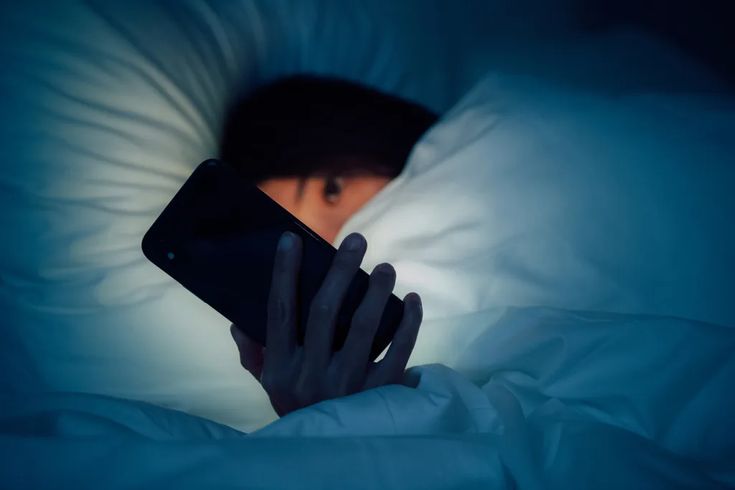
Designate certain areas of your home or times of the day as phone-free. The dining table and the bed are the best places to start. Keeping your phone away from your bed not only helps you sleep better but also stops you from that “doom scrolling” habit that usually happens right before sleep or right after waking up.
5. Use Do Not Disturb mode Like a Pro
Most phones now have focus modes. Set up a “Personal” mode that only lets your inner circle (like your mom or best friend) reach you. This allows you to use your phone for music or a workout app without being distracted by a random work notification or a stressful news update.
Your time is your most valuable resource. Learning to unplug isn’t about hating technology; it is about making sure you are the one in charge of your attention. Start small—even just 30 minutes of “phone-free” time a day can make a massive difference in your mental health.
