
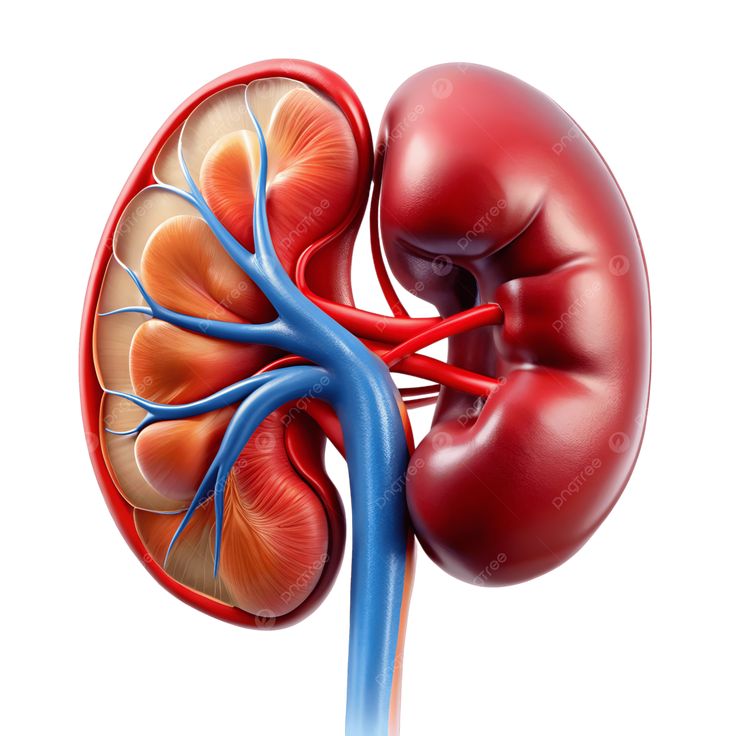
These kidney filter approximately 200 liters of blood every single day by removing waste products, regulating fluid and electrolyte balance, controlling blood pressure, and producing hormones that support bone health and red blood cell production.
They are among the hardest working organs in the human body, and they need adequate water to do every single one of those jobs effectively.
What Happens to Your Kidney When You Are Dehydrated
Blood Flow to the Kidneys Decreases
When your body is dehydrated, blood volume drops. Lower blood volume means reduced blood flow to the kidneys and the kidneys respond to that reduction by triggering a series of compensatory mechanisms designed to preserve water and maintain blood pressure.
The body releases hormones including antidiuretic hormone and aldosterone that signal the kidneys to produce less urine and retain more fluid. This is why your urine becomes darker and more concentrated when you are dehydrated your kidneys are working overtime to hold onto every drop of water available.
Waste Products Build Up in the Blood
The kidneys cannot filter waste effectively without sufficient water to carry those waste products through the system. When dehydration reduces filtration efficiency, substances like creatinine and urea — normal byproducts of muscle and protein metabolism — begin accumulating in the bloodstream rather than being efficiently excreted through urine.
This buildup is not immediately dangerous for most healthy people in mild dehydration scenarios. But chronic low-grade dehydration sustained over weeks and months creates a consistently compromised filtration environment that places ongoing strain on kidney tissue.
Kidney Stone Risk Increases Significantly
This is one of the most direct and well-documented consequences of inadequate hydration on kidney health. Kidney stones form when minerals and salts in urine become so concentrated that they crystallize. Adequate water intake keeps those substances sufficiently diluted to pass through the urinary system harmlessly.
Chronic dehydration even at levels that never feel dramatically thirsty creates the concentrated urine environment in which kidney stones form most readily. Anyone who has experienced a kidney stone will tell you that preventing them through hydration is considerably preferable to treating them after they form.
