
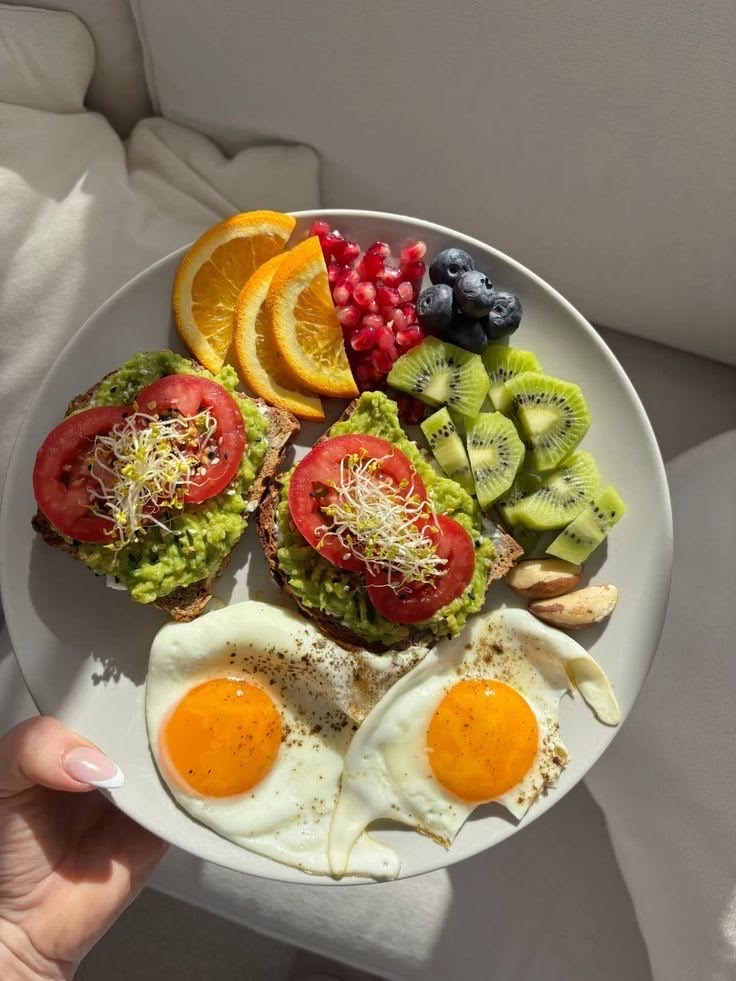
Your face often tells a story before you say a word. A breakout before an important event, skin that looks dull after a long week, or a glow that people notice without knowing why. For many people, the first response is to buy something new. A face wash, a serum, a cream that promises clear skin in seven days.
Those products can help, but they rarely fix the problem on their own. That is because skin does not work alone. It is connected to what you eat, how much water you drink, how well you sleep, and how your body handles stress. When something is off inside, it often shows up outside and the face is usually the first place it appears.
Food affects skin in a direct way. When you eat a lot of sugar and highly processed food, blood sugar rises quickly. That rise can increase insulin, which can increase oil production in the skin. More oil can lead to clogged pores, and clogged pores can lead to breakouts. When you do not drink enough water, skin can look dry and dull. When you miss key nutrients, skin can take longer to heal and dark spots can stay longer.
This does not mean one meal will cause a pimple, or one healthy meal will clear your skin. Skin renews itself over about four to six weeks, so changes in diet take time to show. The goal is not a perfect diet. The goal is a steady pattern of eating that gives skin what it needs to stay calm, repair itself, and look healthy.
The foods below support that process. They are common, affordable, and easy to add to everyday meals.
Drink Enough Water
Water helps the body remove waste, keeps skin soft, and supports other organs so skin does not have to do all the work. Most adults do well with about 2 litres a day, though needs vary with heat, activity, and body size.
Simple ways to drink more water include:
– Start the morning with a full glass of water
– Keep a bottle with you during the day
– Add cucumber, lemon, or orange slices if plain water feels boring
– Drink water before reaching for soda or sweetened juice
Juice, tea, and soda do not replace water. Water is still the best base for clear skin.
Eat Colourful Fruits and Vegetables
Colour on the plate usually means nutrients for the skin.
Orange foods like carrots, sweet potatoes, pawpaw, and mango contain vitamin A. Vitamin A helps skin repair itself and helps keep pores from getting blocked.
Green foods like ugu, spinach, and broccoli contain iron and vitamin C. They help blood carry oxygen to the skin, which supports a fresh, healthy look.
Red foods like tomatoes, watermelon, and red bell peppers contain lycopene. Lycopene helps protect skin from sun damage.
A simple rule is to add at least one colourful food to every meal.
Choose Healthy Fats
Not all fat is bad for skin. Healthy fats help reduce inflammation, which is the redness and swelling that comes with breakouts.
Good sources include:
– Avocado
– Groundnuts and cashew nuts
– Olive oil
– Oily fish like mackerel, sardine, and salmon
Sardine is a good option because it is widely available and rich in omega 3 fatty acids. A small handful of groundnuts as a snack is often better for skin than biscuits or other sugary snacks.
Get Enough Vitamin C
Vitamin C helps the body make collagen. Collagen keeps skin firm and helps old spots fade.
Good food sources include:
– Oranges and other citrus fruits
– Pineapple and mango
– Bell peppers
– Ugu and other leafy greens
– Lime, squeezed over food
Fresh fruit in the morning is an easy way to add vitamin C without supplements.
Add Protein and Zinc for Healing
When a pimple goes away and leaves a dark spot, the body needs protein and zinc to heal that spot. Without enough protein, spots can take longer to clear.
Good sources include:
– Eggs
– Beans and lentils
– Chicken and turkey
– Fish
– Ofada rice and other whole grains
Try to include some protein in every meal, even if the portion is small.
Support the Gut
The gut and the skin are connected. When the gut is upset, skin often shows it.
Foods that support gut health include:
– Plain yoghurt
– Fermented foods like iru and ogi
If milk causes breakouts for you, try yoghurt in small amounts first and watch how your skin reacts. Everyone is different, so it helps to notice your own triggers.
Eat Less of What Triggers Breakouts
You do not have to stop eating these foods forever. Eating less of them can still help.
– Soda and sweetened juice, which raise blood sugar quickly
– Fried food every day, such as fried yam, fried plantain, and puff puff
– Too much milk and ice cream, if you notice they cause breakouts
– White bread, instant noodles, and sugary cereals, which are low in nutrients and high in sugar
– Alcohol, which dries out skin and can make it look tired
Balance matters more than perfection. If you eat fried food on Saturday, drink water and eat vegetables on Sunday. Small changes add up over time.
A Simple Day for Clear Skin
This example uses foods that are easy to find:
– Breakfast: Oats with banana and groundnuts, or boiled eggs with sweet potato and orange
– Lunch: Ofada rice with vegetable soup made with ugu and fish, plus water
– Snack: Cucumber and carrot sticks, an apple, or a handful of cashew nuts
– Dinner: Grilled mackerel with roasted plantain and salad with tomato and cucumber
– Before bed: A glass of water, and no late night sugary snacks
Final Thoughts
Clear skin does not come from one day of healthy eating. It comes from steady habits.
Wash your face gently morning and night. Do not pick pimples, because picking can leave dark spots that take months to fade. Sleep well. Drink water. Eat well for four weeks, then compare photos to see the change.
Healthy skin still has pores and texture. It can still get a pimple during stress or before a period. That is normal. When the body gets what it needs, skin becomes calmer, clearer, and easier to manage.
Your diet is showing on your face every day. The question is what story you want it to tell.
What is one food you will add for your skin this week? Drop a comment below or share this with someone working on their glow.
