
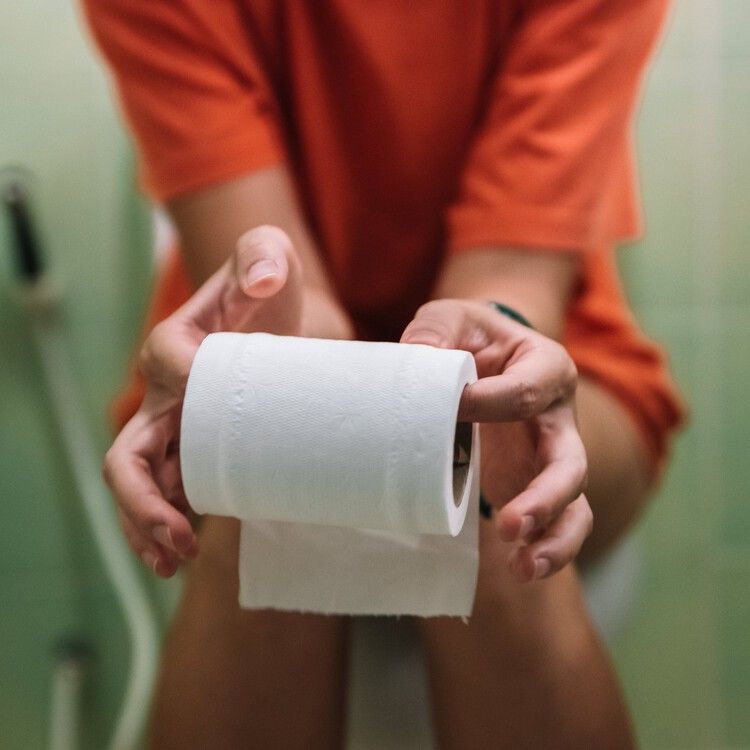
Constipation is one of those topics most people avoid mentioning, even though it affects almost everyone at some point. When digestion slows down, the discomfort can be hard to ignore. The good news is that movement often helps, and the best exercises for relieving constipation are usually gentle, simple, and easy to do at home.
Why Exercise Helps Digestion
Physical activity encourages the muscles in the intestines to contract more regularly, which helps move food and waste along. Movement can also reduce stress and improve circulation, both of which support healthy digestion. Long periods of sitting, on the other hand, tend to slow things down.
Walking: The Easiest Place to Start
A brisk walk is often the most recommended option, and for good reason. It needs no equipment, suits nearly all fitness levels, and gently stimulates the gut. Even ten to fifteen minutes after meals can make a noticeable difference for many people.
Yoga Poses That Support Digestion
Certain poses apply gentle pressure to the abdomen or encourage relaxation, which may help the gut work more smoothly.
Knees to Chest
Lie on the back, hug both knees toward the chest, and breathe slowly. This pose is often called the wind-relieving pose because it may help release trapped gas.
Seated Spinal Twist
Sitting tall, rotate the torso gently to one side, then the other. The twisting motion is thought to stimulate the abdominal area.
Child’s Pose
Kneel, sit back on the heels, and fold forward with arms outstretched. It’s calming and gently compresses the belly.
Deep Squat
A supported squat mimics a natural bathroom position and can ease the pelvic area. Holding onto a sturdy surface helps with balance.
Other Helpful Movements
– Swimming or water walking, which is gentle on the joints
– Cycling, either outdoors or on a stationary bike
– Light jogging, for those who already enjoy it
– Pelvic tilts and gentle core exercises, which engage the lower abdomen
Try Deep Belly Breathing
Slow diaphragmatic breathing may seem too simple to matter, but it moves the diaphragm in a way that gently massages the digestive organs. Inhale deeply through the nose so the belly rises, then exhale slowly. A few minutes at a time is enough. Is Pooping After Every Meal Normal? A Honest Guide to Digestive Health
Pair Exercise With Other Healthy Habits
Movement works best alongside other basics:
– Drinking enough water throughout the day
– Eating fiber-rich foods like fruits, vegetables, beans and whole grains
– Not ignoring the urge to go
– Keeping a regular daily routine
Things to Keep in Mind
Start gently, especially if the stomach feels sore or bloated. Intense exercise right after a large meal may cause discomfort, so lighter movement is usually better then.
Constipation that lasts more than a few weeks, comes with severe pain, blood in the stool, unexplained weight loss, or sudden changes in bowel habits should be checked by a healthcare professional rather than managed with exercise alone.
