
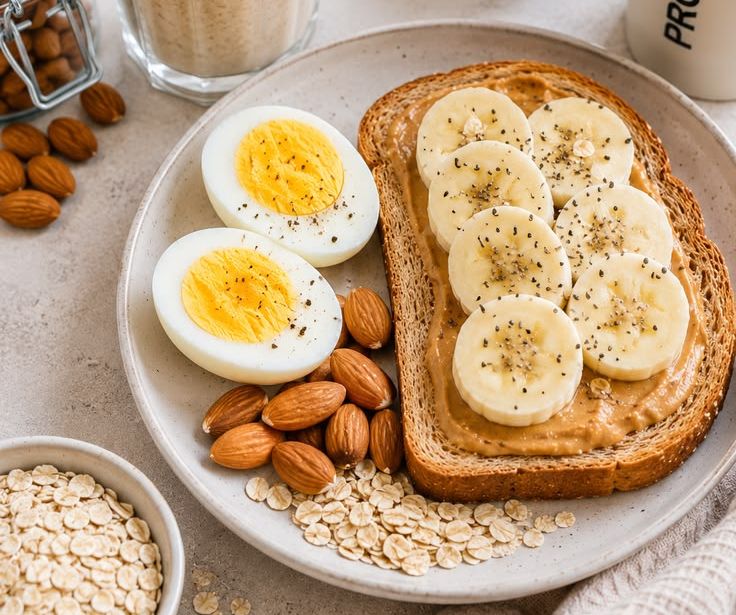
Protein supports growth, muscle repair and overall development, and teens do need enough of it. The catch is that most teenagers in countries like the United States already get as much or more than recommended through regular food, based on dietary survey data. Eggs, dairy, chicken, fish, beans, lentils, nuts and tofu all deliver plenty.
Because of that, many dietitians suggest whole foods first, with shakes as an occasional extra rather than a daily requirement.
The Possible Benefits
Used sensibly, a shake can be convenient and helpful in certain situations.
– A quick option after sports practice when a meal isn’t available
– Added calories and protein for teens who struggle to eat enough
– Support for picky eaters who avoid protein-rich foods
– A simple way to blend in fruit, milk or yogurt for extra nutrition
A teen with a medical or dietary concern, such as unintended weight loss, should have that guided by a doctor or registered dietitian.
The Possible Downsides
More protein doesn’t automatically mean more muscle. Beyond what the body needs, extra protein is not turned into faster gains, and it can crowd out other nutrients like fiber, healthy fats and vitamins.
Other concerns include:
– Added sugar and caffeine in some ready-made shakes and bars
– Digestive trouble such as gas, bloating or cramps, especially with dairy-based powders in teens who are lactose intolerant
– Artificial sweeteners and additives that bother sensitive stomachs
– Unreliable quality, since supplements aren’t tightly regulated in the same way as medications
How to Choose a Safer Product
If a shake is part of the plan, labels matter.
Look for little or no added sugar and no caffeine. Choose products with a modest protein amount per serving, often around 10 to 30 grams depending on size and need. A short ingredient list is usually better. Third-party testing seals, such as those from independent testing organizations, add some reassurance about what’s inside. Avoid products that promise rapid muscle gain, fat burning or weight loss, and steer clear of anything aimed at adults only.
Make Your Own at Home
Homemade versions give more control. Blend milk or a fortified plant milk with banana, Greek yogurt, peanut butter or oats. It tastes good, costs less and adds real food nutrients.
Getting the Balance Right
A healthy teen routine looks more like this: regular meals with protein, plenty of fruits and vegetables, enough water, quality sleep and appropriate training for sports. Shakes can fit in, but they work best as a supplement to that foundation, not a replacement.
