
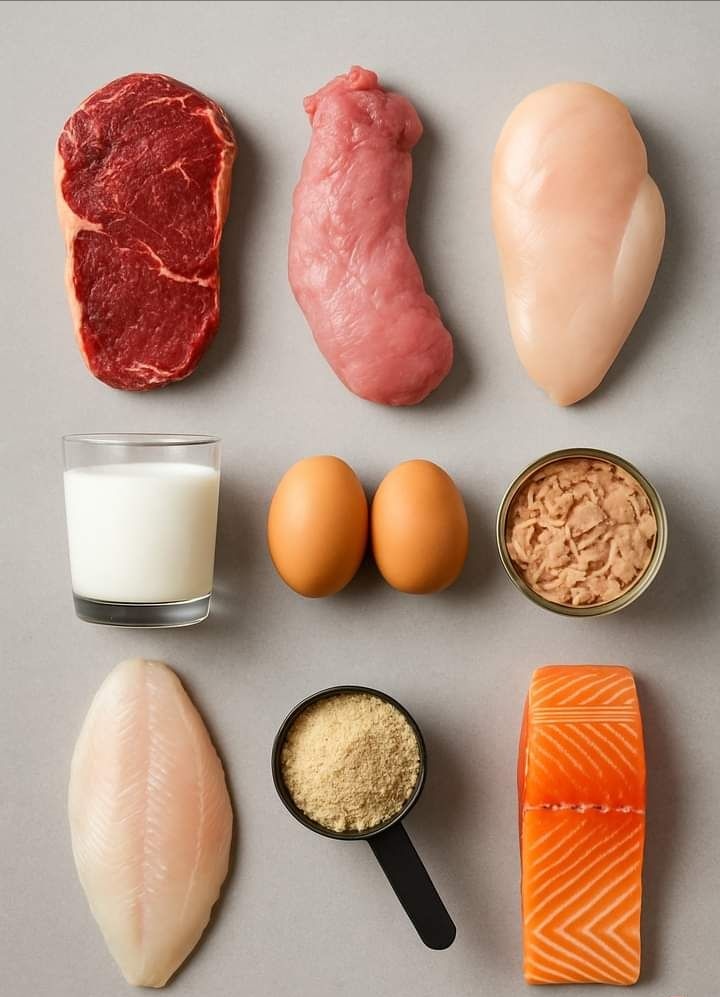
Walk into a gym, open a fitness app, or scroll through any health account online and within minutes someone is recommending a protein powder, a shake, or a supplement you’ve probably never heard of before. It can start to feel like getting enough protein requires spending money on products you’re not entirely sure about. But there are genuinely easy ways to eat more protein without supplements, using real, affordable food that you can pick up at any grocery store.
Common everyday foods with a solid protein punch:
– Eggs, which offer about 6 grams each and work for any meal of the day
– Canned tuna or salmon, affordable and ready to eat straight from the can
– Greek yogurt, which delivers up to 20 grams per cup and doubles as a snack or breakfast base
– Cottage cheese, often overlooked but genuinely high in protein and easy to pair with almost anything
– Chicken breast, the classic go-to that works in dozens of different meals
You don’t need a specialty product to get there. You just need to be intentional about including these at each meal.
Build Each Meal Around Protein First
One of the most practical easy ways to eat more protein without supplements is changing the order in which you think about your meals. Instead of starting with carbs or sides and adding protein as an afterthought, flip the process.
Choose your protein source first, then build everything else around it. For example:
– Breakfast: Start with two or three eggs, then add toast, vegetables, or fruit alongside
– Lunch: Begin with a palm-sized piece of chicken or a can of tuna, then add a grain and greens
– Dinner: Lead with a protein like fish, beef, lentils, or tofu, then fill the rest of the plate
Smart Food Swaps
Sometimes the easiest upgrades are the ones that don’t require any extra cooking at all. Small swaps make a surprising difference when you add them up over the course of a day.
A few worth trying:
– Choose Greek yogurt over regular yogurt for nearly double the protein per serving
– Swap white rice for quinoa, which is a complete protein unlike most grains
– Pick whole grain or high-protein bread over standard white bread
– Add a spoonful of peanut or almond butter to oatmeal, smoothies, or snacks
– Choose edamame over chips as a snack, offering close to 17 grams per cooked cup
Plant-Based Foods
Getting enough protein without supplements is just as achievable for people who eat plant-based, and often more straightforward than people expect.
High-protein plant foods worth leaning on:
– Lentils, with roughly 18 grams of protein per cooked cup
– Chickpeas, versatile and filling with about 15 grams per serving
– Tempeh, a fermented soy product that brings around 20 grams per serving
– Hemp seeds, easy to sprinkle on anything for a quiet 10-gram boost
Combining different plant proteins throughout the day, like rice and beans together, also creates a more complete amino acid profile.
A Note on Consistency
The biggest difference between someone who consistently hits their protein goals and someone who doesn’t usually isn’t access to better supplements. It’s the habit of showing up at every meal with a little bit of intention.
Start by adding one extra protein source to whichever meal feels the easiest to change, and build from there.
