
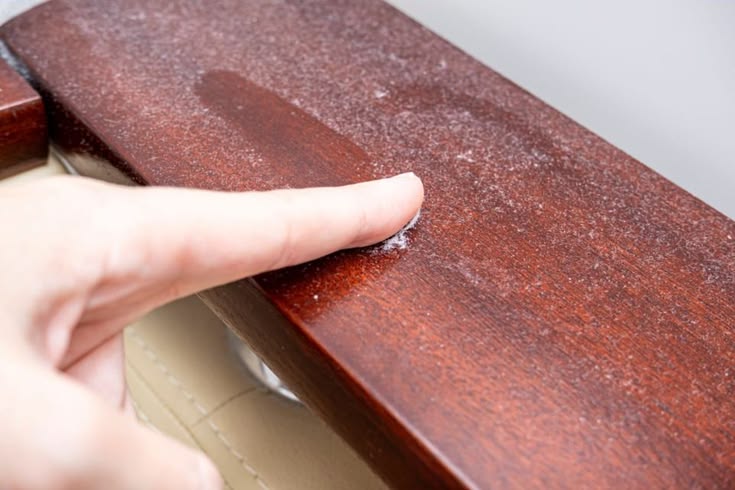
Dust has a reputation for returning just when a room looks spotless. It settles on shelves, screens and floors, then seems to multiply overnight. The technique to get rid of dust from coming back is mostly about routine, not endless scrubbing.
What Dust Is Made Of
Household dust is a mix of tiny particles: 0fabric fibers, dead skin cells, pet dander, pollen, soil tracked in from outside and even microscopic bits from cooking and candles. Because it’s constantly produced, We really can’t eliminate it entirely but we can definitely reduce how much builds up.
Cleaning from top to bottom stops dust from falling onto areas that were just done. Start with ceiling fans, light fixtures and high shelves, then move to furniture, and finish with floors.
Use the Right Tools
The wrong tools can simply push dust into the air.
– Microfiber cloths trap particles instead of scattering them
– A slightly damp cloth works better than a dry one on most hard surfaces
– A vacuum with a HEPA filter captures fine particles instead of releasing them back into the room
K- Extendable dusters help reach corners and vents safely
Feather dusters and dry rags tend to move dust around rather than remove it.
Tackle the Biggest Dust Collectors
Some spots hold far more dust than others, so extra attention there pays off.
Bedding and soft furnishings hold plenty of dust. Washing sheets weekly in hot water and washing pillows and throws regularly helps. Rugs and carpets trap particles, so vacuum them often, ideally twice a week in busy areas. Curtains and blinds gather dust, so wash fabric curtains and wipe blinds slat by slat. Electronics attract dust through static, so wipe screens and cables with a clean, dry microfiber cloth.
Don’t Forget Hidden Spots
Dust often hides under beds, behind furniture and on top of cabinets. Vents, baseboards and the tops of door frames are easy to overlook. A quick monthly sweep of these areas keeps buildup from getting out of hand.
Stop Dust at the Source
Prevention makes cleaning easier.
– Place doormats at entrances and remove shoes indoors
– Brush and groom pets regularly
– Replace HVAC filters every one to three months, depending on the type
– Reduce clutter, since fewer surfaces mean less dust to collect
– Choose hard flooring or washable rugs where possible
– Use an air purifier with a HEPA filter in bedrooms or main living areas
Manage Humidity and Airflow
Very dry air lets dust float longer, while overly humid air encourages dust mites. Aim for indoor humidity around 30 to 50 percent. Opening windows briefly for fresh air can help, though pollen season may call for keeping them closed.
Build a Simple Routine
A little regular effort beats occasional marathon sessions.
– Daily: quick wipe of kitchen and bathroom surfaces
– Weekly: dust furniture, vacuum floors, wash bedding
– Monthly: clean vents, vacuum under furniture, wipe baseboards
– Seasonally: wash curtains, flip mattresses if recommended, deep clean carpets
When Dust Becomes a Health Concern
For people with allergies or asthma, dust can trigger sneezing, coughing or itchy eyes. If symptoms persist despite good cleaning habits, a doctor can help identify triggers and suggest treatment.
