
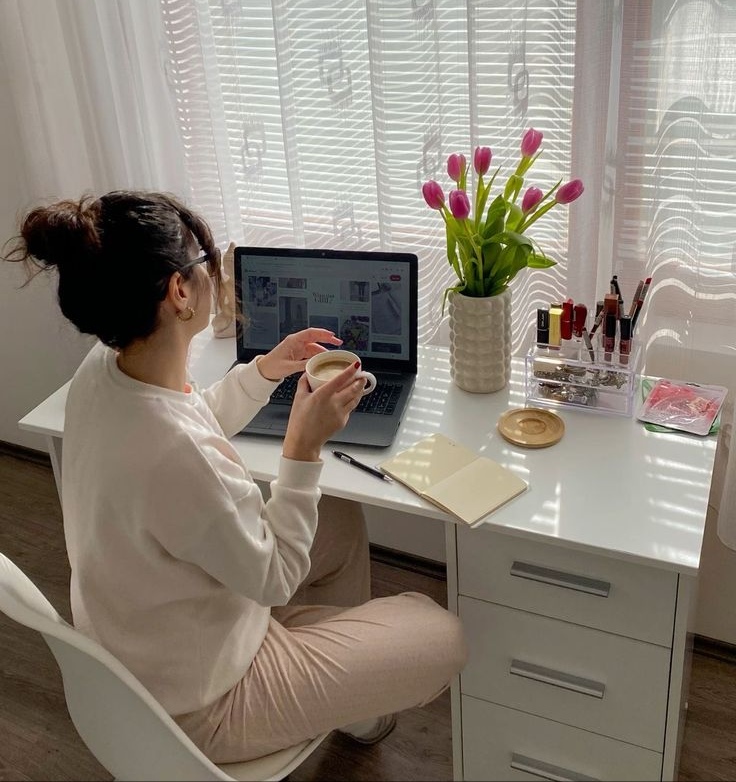
Remote work sold itself on freedom, there is no commute, no dress code, your own schedule, your own kitchen. And those things are genuinely wonderful but somewhere between the third month of working in the same room you sleep in and the realization that you have not left your building since Tuesday, the freedom starts developing some complicated side effects.
Back pain from a questionable chair setup. Blurred boundaries between work and rest. A refrigerator that is dangerously close to your laptop. A social life that exists primarily through a screen.
Learning how to maintain a healthy life while working remote is one of the most practical and genuinely important skills the modern workforce needs and most people are figuring it out by trial and uncomfortable error rather than intentional design.
Create Structure That Your Body and Mind Can Rely On
The single biggest health challenge of remote work is the absence of the external structure that an office environment provides automatically. Fixed start times, physical commutes, lunch breaks away from your desk, and the social regulation of other people around you all contribute to a rhythm that remote work strips away entirely.
Replacing that structure intentionally is not optional. It is the foundation that every other healthy remote work habit gets built on. Set consistent start and finish times and treat them as seriously as you would an office schedule. Get dressed every morning even if nobody will see you, the act of changing out of sleepwear signals to your brain that the workday has begun and supports the mental transition that productivity requires.
How to Maintain a Healthy Life While Working Remote
Build Movement Into Every Single Day
Sedentary behavior is one of remote work’s most significant health risks. Without a commute, without walking between meeting rooms, without any of the incidental movement that office life generates, it is entirely possible to spend eight to ten hours barely moving from a single spot.
The solution is deliberate movement scheduled into your day rather than hoped for. A morning walk before starting work replaces the commute with something genuinely beneficial. A standing desk or regular desk-to-standing transitions reduce the health impact of prolonged sitting. A five-minute movement break every ninety minutes — a short walk, some stretching, a brief exercise circuit — maintains circulation and cognitive function throughout the day in ways that sitting continuously cannot.
Research consistently shows that even light activity distributed throughout the day produces meaningfully better health outcomes than a single gym session bookended by hours of unbroken sitting.
Protect Your Eyes, Posture, and Ergonomics
Remote workers frequently underinvest in their physical workspace and pay for it through chronic back pain, neck strain, wrist problems, and eye fatigue that accumulates slowly and becomes genuinely debilitating over time. A proper chair that supports lumbar alignment, a monitor at eye level rather than forcing your neck down, and a keyboard and mouse positioned to keep your wrists neutral are not luxury considerations — they are basic health infrastructure.
Eat With Intention
Proximity to your kitchen is one of remote work’s most underappreciated health hazards. The combination of stress, boredom, and a fully stocked refrigerator three meters from your desk is a powerful recipe for mindless eating that most remote workers discover the consequences of within their first few months.
Eating with intention means planning your meals in advance so decisions are made with a clear head rather than in a moment of afternoon energy dip. It means eating away from your workspace so meals are actual breaks rather than background activities. And it means keeping genuinely nourishing options accessible and visible so convenience works in your favor rather than against it.
Guard Your Social Connection Actively
Human beings are social creatures operating in an environment that remote work strips of its most reliable social scaffolding. The casual conversations, the shared lunch, the spontaneous collaboration — these are not productivity distractions. They are neurological necessities that regulate mood, reduce stress, and provide the sense of connection that remote work systematically removes.
Replacing them requires active effort. Schedule regular video calls with colleagues that include space for non-work conversation. Make plans with friends and family that get you out of the house on a regular rhythm. Join a coworking space occasionally for the simple benefit of being physically near other working humans.
