
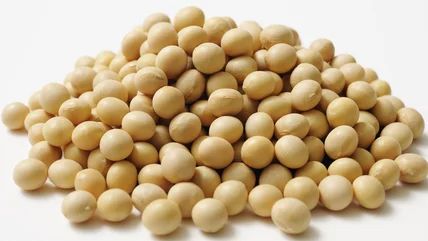
If you are looking for an affordable alternative to commercial protein powders, soy and bean powder can be a useful option. Both soybeans and other beans contain protein, so they can contribute to your daily protein intake.
However, soy and bean powder is not automatically equivalent to a protein powder. The amount of protein you get depends on how the powder is made, what type of beans it contains and how much you use.
How much protein does soy and bean powder provide?
Soybeans are particularly rich in protein compared with many other plant foods. Soy protein is also considered a complete protein because it contains all nine essential amino acids that the body needs from food.
Other beans provide protein too, but their amino acid profiles differ. Combining beans with other protein sources across the day can help you get a broader range of essential amino acids.
If you make your own powder, check how much protein is actually in the finished product. Simply grinding cooked or dried beans does not create the same concentrated protein content found in many commercial protein powders.
Can you use it after exercise?
Yes. Soy or bean powder can be included in a post-workout meal or snack. You could blend it into a smoothie with milk or yogurt, mix it into oats or add it to another meal.
For exercise recovery, protein is only one part of the meal. Carbohydrates can also help replenish energy used during exercise, while fluids support hydration.
The amount of protein you need depends on factors such as your body size, overall diet and training routine.
Soy powder vs protein powder
The main difference is concentration and convenience.
A commercial protein powder is usually processed specifically to provide a concentrated amount of protein in a relatively small serving. Soy flour or homemade bean powder contains protein alongside other components of the food, such as carbohydrates, fiber and fats.
That does not make bean powder a poor choice. It simply means you may need a larger serving to get the same amount of protein found in a scoop of a concentrated protein supplement.
So, soy and bean powder can be a good substitute for protein powder, particularly if your goal is to add more plant-based protein to your diet. Just remember that the nutritional value depends on the ingredients and preparation, so check the protein content rather than assuming all powders provide the same amount.
