
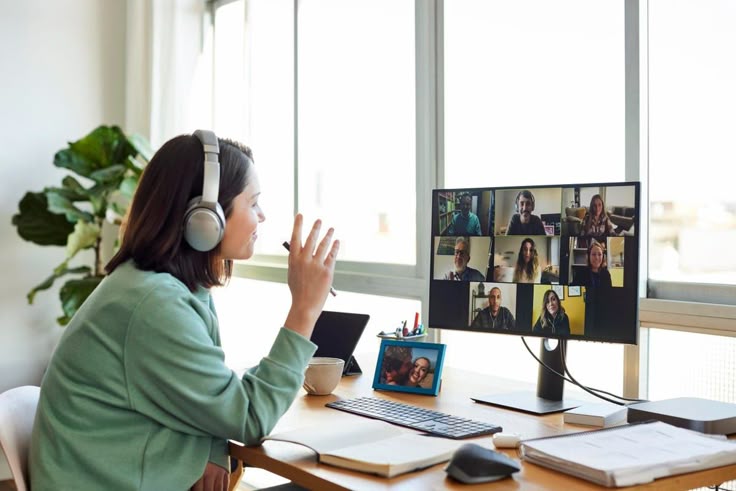
There’s a version of remote work that lives in everyone’s imagination like coffee in hand, no commute, working from a sunny kitchen table whenever inspiration strikes. The reality looks a little different for most people, between genuine freedom and a slow blur between work life and everything else. So it’s worth asking the question honestly. Is working remotely good for you, specifically, given your habits, your personality, and the kind of structure you actually thrive in? The answer isn’t the same for everyone, and that’s exactly why it deserves a closer look.
The Genuine Benefits Worth Considering
For a lot of people, remote work has delivered real, measurable improvements to their day-to-day life. These aren’t just nice extras, they often translate into meaningful changes in wellbeing.
Here’s where remote work tends to shine:
– No commute, which frees up time that can go toward sleep, exercise, or simply relaxing
– More control over your environment, letting you set up a workspace that genuinely works for you
– Flexibility to handle personal responsibilities, like appointments or family needs, without taking a full day off
– Fewer office distractions, especially for people who find open floor plans or constant foot traffic draining
– The ability to work during your most productive hours rather than a rigid nine-to-five block
Where It Can Start to Work Against You
Is working remotely good for you in every situation? Not necessarily, and being honest about the downsides matters just as much as appreciating the perks.
A few common struggles that come up repeatedly:
Isolation: Without casual office interactions, many remote workers report feeling disconnected from colleagues, which can affect both mood and motivation.
Blurred boundaries: When your home doubles as your office, switching off becomes harder, and some people end up working longer hours without realizing it.
Reduced movement: Without a commute or office layout that naturally gets you up and walking around, some people become significantly more sedentary.
Communication gaps: Nuance can get lost over chat and email, sometimes leading to misunderstandings that wouldn’t happen in person.
These challenges don’t cancel out the benefits, but they’re real enough that they shouldn’t be ignored either.
It Often Comes Down to Personality and Lifestyle
One of the clearest patterns in research on this topic is that remote work suits some people far more naturally than others. A few examples of how this tends to play out:
– Introverts and people with strong self-discipline often thrive with the independence remote work offers
– Extroverts and people early in their careers sometimes struggle without in-person mentorship and social energy
– People with dedicated home office space tend to report higher satisfaction than those working from a cramped shared area
– Roles requiring heavy collaboration may suffer more in a remote setup than independent, focused work
Knowing your own tendencies matters more here than any general statistic about remote work overall.
