
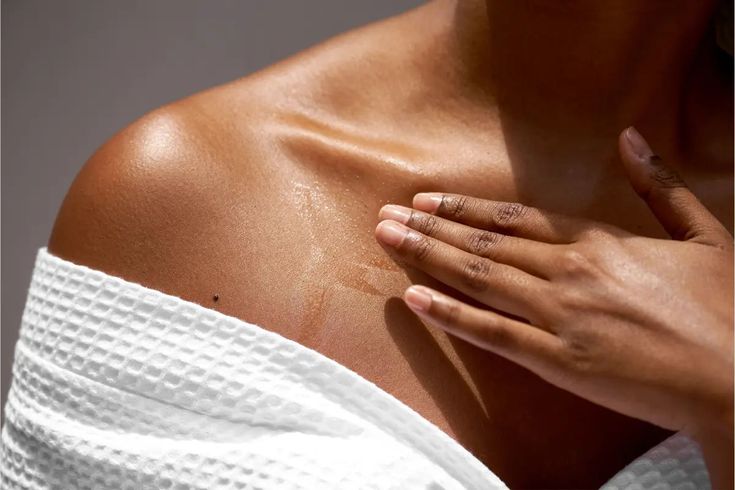
Skin that feels soft, smooth and comfortable rarely comes down to one magic product. More often, it’s the result of small daily choices, from what goes on the plate to how long a shower lasts. Learning natural ways to keep your skin moisturized can make a noticeable difference without a crowded bathroom shelf.
Why Skin Loses Moisture
The outer layer of skin acts like a barrier, holding water in and keeping irritants out. When that barrier weakens, moisture escapes more easily. Cold weather, dry indoor air, hot water, harsh soaps, sun exposure and aging can all contribute.
Start With What You Eat and Drink
Healthy skin is supported from the inside, so food and hydration matter.
Drinking enough water throughout the day supports overall hydration, although water alone won’t fix severely dry skin. Foods rich in healthy fats, such as avocado, nuts, seeds and fatty fish like salmon, help support the skin barrier. Water-rich fruits and vegetables, including cucumber, watermelon and oranges, add extra fluid and vitamins.
Natural Oils and Butters Worth Trying
Plant-based oils and butters work best when applied to slightly damp skin, since they help seal in existing moisture.
– Coconut oil: rich and soothing, though it can feel heavy on oily or acne-prone skin
– Jojoba oil: lightweight and similar to skin’s natural oils
– Shea butter: thick and ideal for very dry areas like elbows and heels
– Almond oil: gentle and easy to spread
– Olive oil: a pantry staple best used sparingly on the body
A quick patch test on a small area first helps rule out irritation or allergies.
Soothing Ingredients From the Kitchen
Aloe vera gel is cooling and lightweight, which makes it a good option after sun exposure. Raw honey is a natural humectant, meaning it draws moisture toward the skin, and can be used as a short face mask. Oatmeal, ground finely and mixed with water, may calm itchy, irritated skin in a bath. Plain yogurt and mashed banana are also popular choices for simple homemade masks. How to Invest in a Skincare Routine While on a Budget
Rethink Your Bathing Habits
Long, hot showers feel great but strip away natural oils. Shorter showers with lukewarm water are gentler. After bathing, gently pat the skin dry and apply moisturizer or oil within a few minutes while skin is still slightly damp.
Choose mild, fragrance-free cleansers rather than harsh, foaming soaps.
Add Moisture to the Air
Dry indoor air, especially from heaters or air conditioning, pulls water out of skin. A humidifier in the bedroom can help, particularly in colder months or dry climates.
Protect Skin From the Sun and Wind
Daily sunscreen helps prevent damage that makes skin drier and less elastic over time. In cold or windy weather, covering exposed skin with scarves and gloves reduces moisture loss. Natural ingredients for firm skin that you can try at home
Other Helpful Habits
– Exfoliate gently once or twice a week to remove dead skin cells
– Wear soft, breathable fabrics like cotton
– Get enough sleep, since skin repairs itself overnight
– Avoid scratching or picking at dry patches
When to See a Professional
Skin that stays very dry, cracked, intensely itchy or inflamed despite good care may point to conditions such as eczema, psoriasis or thyroid problems. A doctor or dermatologist can recommend the right treatment.
