
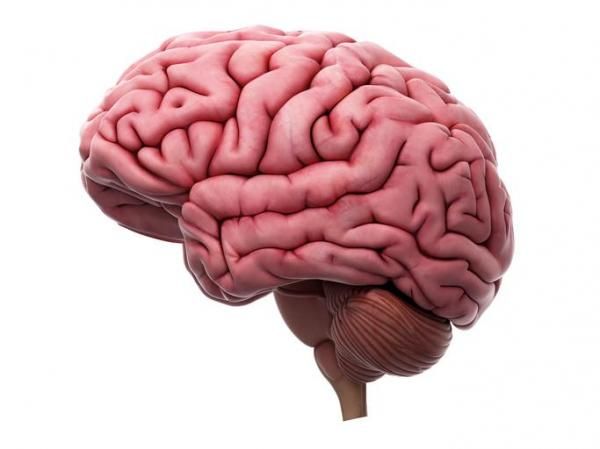
Your brain encodes information, stores it, and retrieves it and each of those three steps can either be supported or undermined by your daily habits and environment.
Most memory problems are not about the brain failing to store information. They are about the brain never properly encoding it in the first place usually because attention was split, stress was high, or sleep was poor. Knowing this reframes the entire conversation around ways to improve your memory from “fixing a broken system” to “giving a capable system what it needs.”
Sleep
If you only take one thing from this entire post, let it be this sleep is not rest for your brain. It is when your brain does its most important memory work. During deep sleep, your brain consolidates the information gathered during the day, transferring it from short-term to long-term storage.
Consistently sleeping less than seven hours does not just make you tired. It actively degrades your ability to form and retrieve memories over time. Among all the ways to improve your memory, protecting your sleep is the one with the highest return for the least effort.
Move Your Body to Sharpen Your Mind
The connection between physical exercise and memory is one of the most well-established findings in brain science. Aerobic exercise increases blood flow to the hippocampus the region of the brain most directly responsible for forming new memories and stimulates the production of a protein called BDNF that essentially acts like fertilizer for brain cells.
Eat Well
What you eat has a direct and significant impact on how well your brain functions, including its ability to store and retrieve memories. The brain is an enormously energy-hungry organ, and the quality of fuel you give it shows up in how clearly you think and how well you remember.
Foods That Support Memory and Brain Health
– Blueberries and other dark berries rich in antioxidants that protect brain cells from oxidative stress
– Fatty fish like salmon and sardines high in omega-3 fatty acids essential for brain structure
– Leafy greens like spinach and kale packed with nutrients linked to slower cognitive decline
– Nuts and seeds providing vitamin E which has been associated with reduced memory loss with age
– Dark chocolate containing flavonoids that improve blood flow to the brain and support focus
