
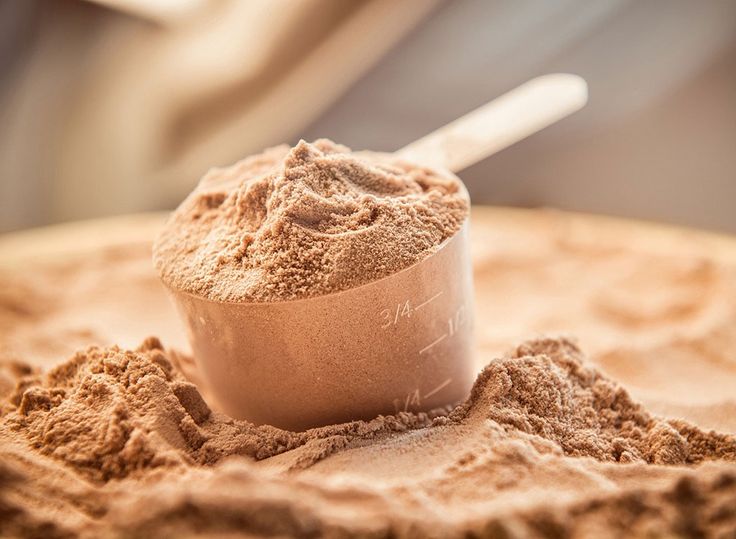
Protein powders are concentrated protein sources derived from various origins — whey and casein from dairy, pea and rice from plants, egg white from eggs, and various blended formulations combining multiple sources. Most also contain additional ingredients ranging from natural flavors and sweeteners to artificial additives, thickeners, and in some cases added vitamins and minerals.
The quality, purity, and additional ingredient profile of a protein powder varies enormously between products and brands — which is one of the reasons that daily use of a high-quality protein powder looks very different from daily use of a heavily processed, artificially sweetened, additive-laden one.
What Consuming Protein Powder Every Day Can Do to Your Body — The Benefits
Supports Muscle Growth and Recovery
This is the most well-documented and legitimate benefit of consistent protein powder use. Protein provides the amino acids required to repair muscle tissue after exercise and build new muscle over time. For people who train regularly and struggle to meet their protein targets through whole food alone — due to appetite, schedule, or dietary restrictions — daily protein powder use is a practical and effective way to close that gap.
Supports Weight Management Through Satiety
Protein is the most satiating macronutrient available — it keeps you feeling fuller for longer by influencing hunger hormones in a way that fats and carbohydrates do not replicate as effectively. A daily protein shake can meaningfully reduce overall caloric intake for people prone to snacking or overeating by curbing appetite between meals without adding significant calories of its own.
Convenience That Supports Nutritional Consistency
For people with genuinely busy schedules, protein powder provides a fast, portable, and reliable way to hit nutritional targets on days when whole food preparation is not realistic. Consistency in nutrition matters for long-term health outcomes, and a tool that makes consistency more achievable for real people with real lives has practical value that is worth acknowledging.
What Consuming Protein Powder Every Day Can Do to Your Body — The Risks
Digestive Issues From Daily Use
This is one of the most commonly reported downsides of daily protein powder consumption and one that affects a meaningful percentage of regular users. Whey protein, which is dairy-derived, can cause bloating, gas, cramping, and digestive discomfort in people with lactose sensitivity or intolerance. Even in people without lactose issues, artificial sweeteners commonly found in flavored protein powders — particularly sugar alcohols like sorbitol and xylitol — are well-documented digestive disruptors at regular consumption levels.
Switching to a plant-based protein powder or an unflavored whey isolate often resolves these issues for people who experience them.
Kidney strain
The kidneys are responsible for filtering and excreting the nitrogen byproducts of protein metabolism. At moderate protein intake levels this process is entirely routine and unproblematic for people with healthy kidneys. However, consistently very high protein intake — particularly from concentrated supplement sources layered on top of an already high protein diet — can place additional workload on the kidneys over time.
For people with pre-existing kidney conditions or reduced kidney function, daily high-dose protein powder use carries genuine risk and should always be managed under medical supervision. For people with healthy kidneys consuming protein within reasonable ranges, the evidence does not support significant concern but the risk profile shifts meaningfully at very high intakes sustained over long periods.
Heavy Metal Contamination
This is the risk that most protein powder marketing materials will not mention, but that independent testing has repeatedly flagged as worth genuine attention. Multiple independent analyses — including testing conducted by the Clean Label Project — have found measurable levels of heavy metals including lead, arsenic, cadmium, and mercury in numerous popular protein powder brands.
These contaminants enter products through the raw materials used in manufacturing and are not always detectable through taste or appearance. Consuming small amounts occasionally presents negligible risk. Daily consumption of a product with meaningful heavy metal contamination over months and years is a different calculation entirely. Choosing protein powders that have been independently third-party tested and certified through organizations like NSF International or Informed Sport significantly reduces this risk.
