
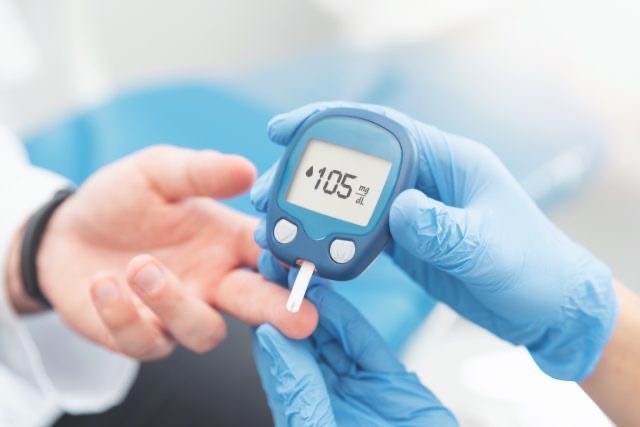
That mid-afternoon crash, the sudden hunger an hour after a big breakfast, the foggy feeling after a sugary snack: these are common signs of blood sugar swings. While many factors are involved, food plays a major role. Understanding how to balance blood sugar level through your diet can help support steadier energy and long-term health.
This article offers general information. People with diabetes or other medical conditions should follow personal guidance from their healthcare team.
Why Blood Sugar Balance Matters
When food is digested, carbohydrates break down into glucose, which enters the bloodstream. The body releases insulin to move that glucose into cells. Frequent big spikes and drops can leave a person tired, hungry and craving sweets, and over time, consistently high levels raise the risk of type 2 diabetes and other health problems.
Choose Fiber-Rich Carbohydrates
Not all carbs behave the same. Fiber slows digestion, which leads to a gentler rise in blood sugar.
Better options include:
– Whole grains like oats, barley, quinoa and brown rice
– Beans, lentils and chickpeas
– Vegetables, especially non-starchy ones like broccoli, spinach and peppers
– Whole fruits such as berries, apples and pears
Refined carbs like white bread, pastries and sugary cereals tend to raise blood sugar quickly.
Pair Carbs With Protein and Healthy Fat
Eating carbs alone can cause faster spikes. Adding protein or healthy fats slows absorption and keeps hunger in check.
Easy pairings:
– Apple slices with peanut butter
– Whole grain toast with eggs or avocado
– Yogurt with nuts and berries
– Hummus with vegetable sticks
Watch Added Sugars and Sweet Drinks
Sugary drinks like soda, sweetened coffee and many juices deliver sugar quickly with little fiber. Swapping them for water, sparkling water or unsweetened tea is one of the simplest changes. Checking labels for added sugars in sauces, yogurt, granola and snacks also helps.
Mind Portion Sizes and Meal Timing
Even healthy carbs can raise blood sugar if portions are very large. A common visual guide is filling half the plate with vegetables, a quarter with lean protein and a quarter with whole grains or starchy foods.
Eating at fairly regular times can also prevent long gaps that lead to overeating later. Some people find that eating vegetables and protein before starchy foods helps reduce post-meal spikes.
Move After Meals
Though not strictly diet, a short walk of ten to fifteen minutes after eating helps muscles use glucose and can soften blood sugar rises.
Support It With Sleep and Stress Care
Poor sleep and high stress can affect hormones that influence blood sugar. Aiming for consistent sleep and finding ways to relax make dietary changes more effective.
Simple Sample Day
Breakfast: oatmeal with chia seeds, berries and nuts
Lunch: lentil and vegetable soup with a side salad
Snack: Greek yogurt or an apple with almond butter
Dinner: grilled fish or tofu, roasted vegetables and a small portion of brown rice
When to Get Medical Advice
Frequent thirst, frequent urination, unexplained weight loss, blurred vision, constant fatigue or a family history of diabetes are reasons to speak with a doctor. Anyone taking insulin or blood sugar medication should check with their provider before making major diet changes, since medication doses may need adjusting.
