
A pink moving truck rolling through major cities, a Dream House listed on a real estate site and a home design tool on Pinterest: none of this looks like a typical toy ad. It prompts a fair question: why is Barbie marketing a doll house to adults? The answer says a lot about how toy brands now think about their audiences.
What’s Happening
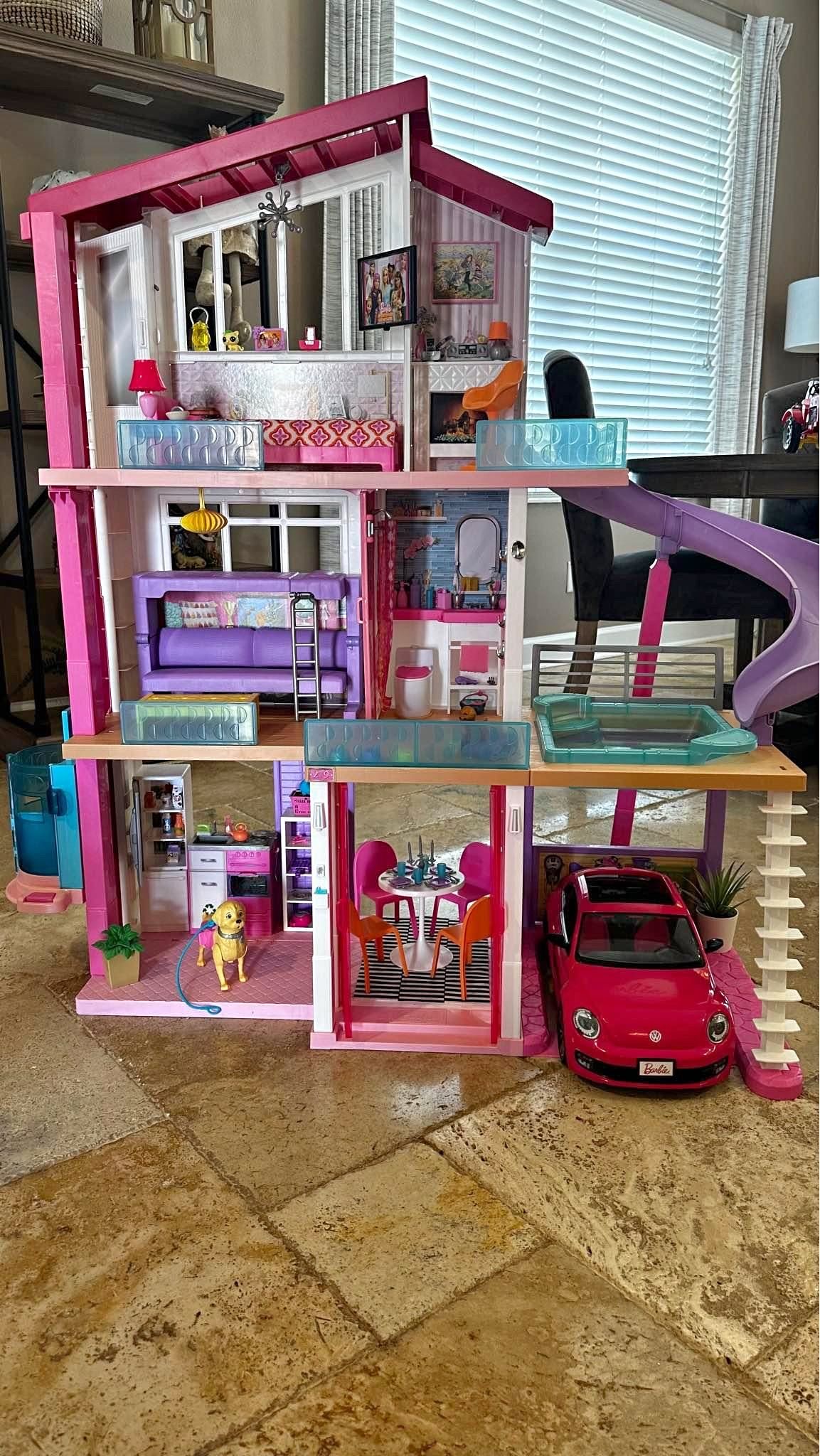
The 2026 Barbie Dream House is still a children’s playset, described as a three-story home with an extra movable structure for rearranging layouts. But Mattel’s launch campaign, called Barbie Is Moving, speaks loudly to adults too.
Reported pieces of the campaign include:
– A Pinterest Restyle experience that applies Barbie-style looks to photos of real rooms
– A moving checklist on Canva
– A DreamHouse property listing on Rightmove in the UK
– A rent and mortgage contribution promotion with Fotocasa in Spain
– A custom pink truck touring New York, Texas and California through November
– A donation to Habitat for Humanity International
For kids, there is also a DreamHouse Tycoon experience on Roblox.
Reason One: Adults Are a Loyal, Big-Spending Fan Base
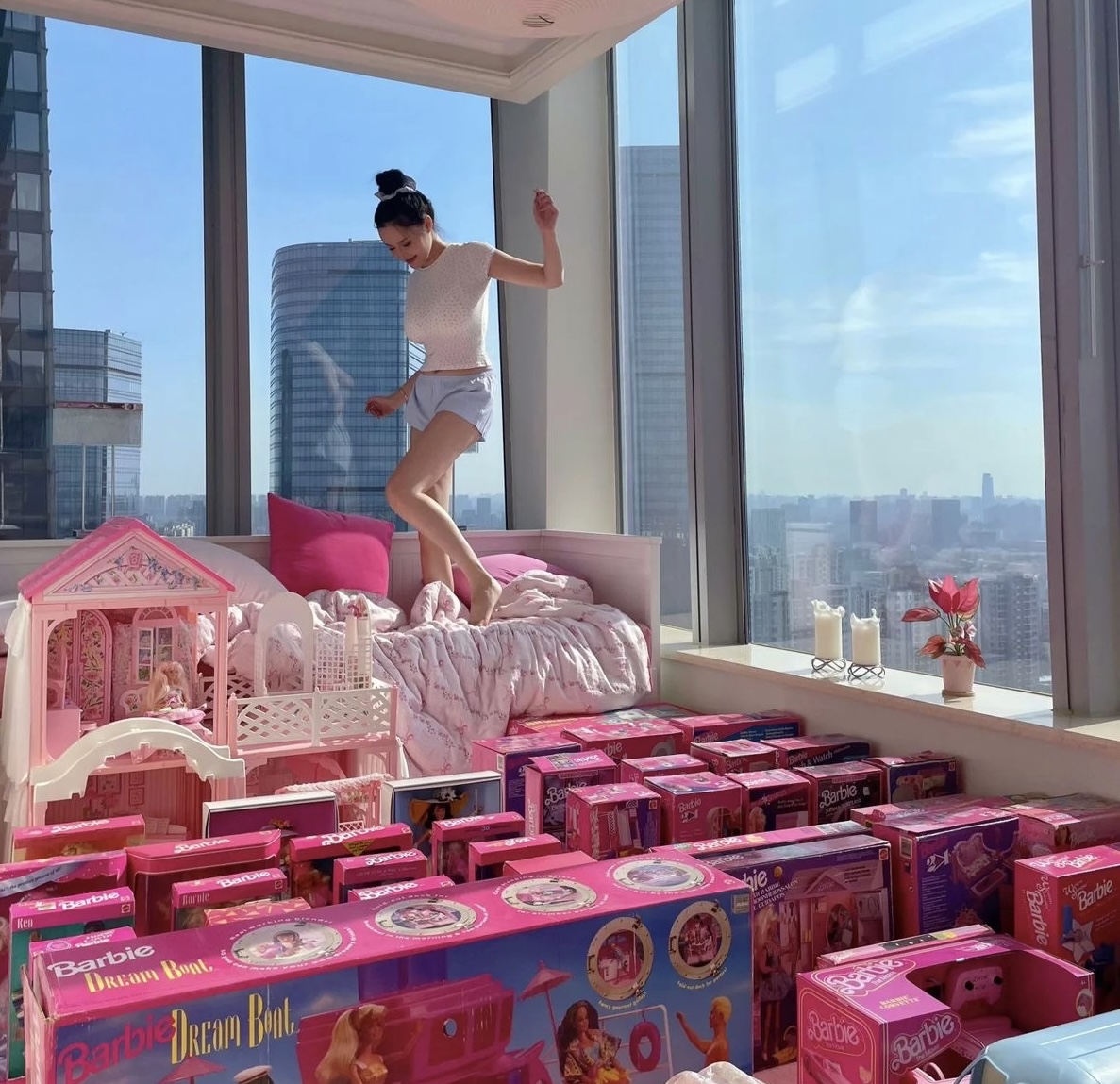
Marketing analysts point to the rise of kidults, adults who buy toys and collectibles for themselves. Children age out of toys, but adult fans can stay loyal for decades and have spending power. The success of the Barbie movie proved how strong that adult affection can be.
Reason Two: Adults Also Buy for Kids
Parents, grandparents and gift-givers are the ones who purchase the Dream House. Reaching them through platforms they already use, like home design and real estate sites, helps the product feel relevant to the people holding the wallet.
Reason Three: The DreamHouse Speaks to Grown-Up Themes
Home ownership, independence and decorating are very adult topics. A Mattel executive said the Dream House has long represented independence and the freedom to define success on your own terms. Research released with the Right move partnership explored how young women are shaping homeownership, including interest in co-owning with friends. Tying the toy to those conversations makes it feel culturally current.
Reason Four: Search Interest Was Already There
Pinterest reported a 72 percent rise in searches for Barbie DreamHouse style aesthetics. When adults are already looking for that look, a decor tool is a natural bridge between nostalgia and real purchases.
Reason Five: Experiences Beat Ads
Interactive pop-ups, tours and tools get shared on social media, giving the brand free reach. Barbie has also tested adult-leaning experiences at events like Coachella, showing a broader strategy of meeting fans where they are.
Reason Six: Brand Equity Is Bigger Than Toys
Marketing commentators describe Barbie as a cultural icon rather than just a toy line. Staying visible to multiple generations protects the brand and opens partnerships beyond toy aisles.
Is There a Downside?
Some observers may see this as a commercial push to extend sales beyond the traditional toy market. Others note the risk of blurring the line between a children’s product and an adult lifestyle brand. At the same time, the campaign includes charitable and playful elements, and the toy itself remains designed for children.
Would you step inside a Barbie Dream House if it parked outside your city? Drop a comment below or share this with a fellow Barbie fan.
